
Hair Transplant Recovery
The Do's and Don'ts of Healing in Nashville
Wondering what the weeks after a hair transplant actually look like, or whether the procedure suits you at all? This page walks through hair transplant recovery at Nova Medical Hair Transplant Tennessee in Nashville, stage by stage.
Healing has become more straightforward, which is one reason more people in Tennessee choose surgery for thinning and pattern baldness. The details vary a little with each person and with the technique, FUE or FUT, but most patients pass through a first healing phase of 7 to 10 days, when mild swelling or tenderness is common and fades with good care.
The visible result arrives much more slowly than the healing. New hair grows in gradually over the following months, a clear change usually shows between 6 and 12 months, and the full result is typically seen at 12 to 18 months. Patience is part of the process.
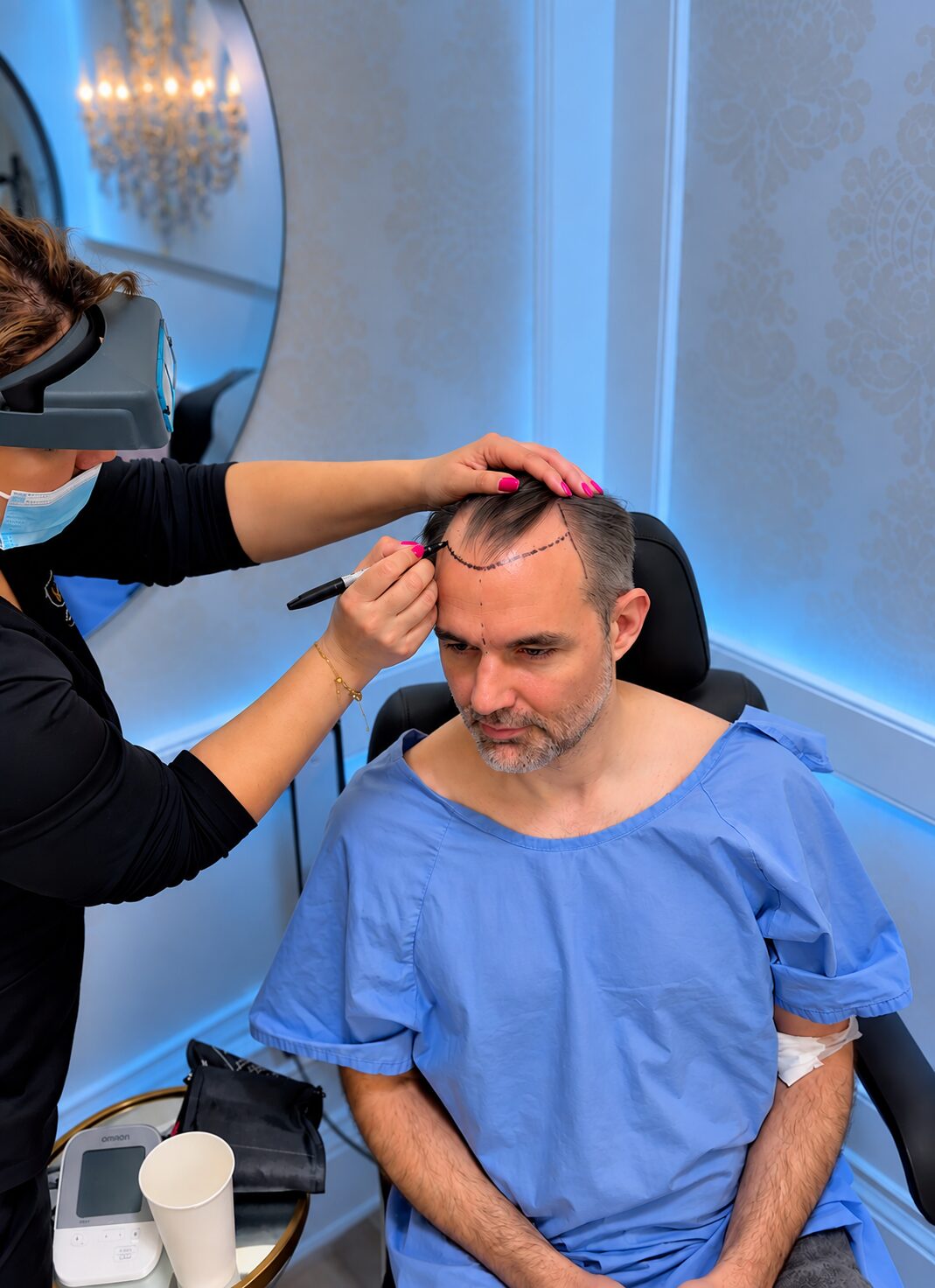
Before & After Gallery
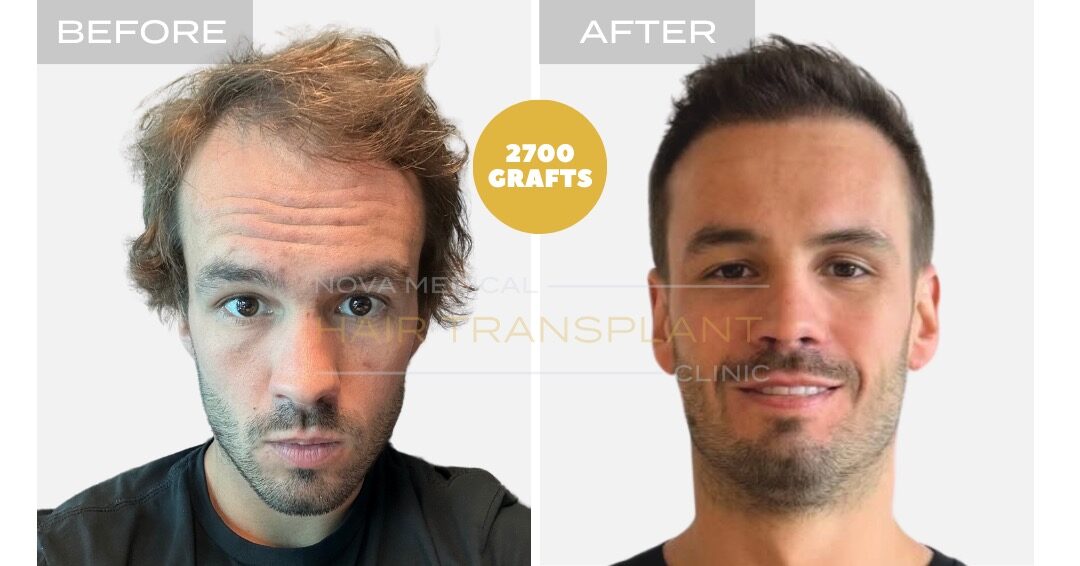
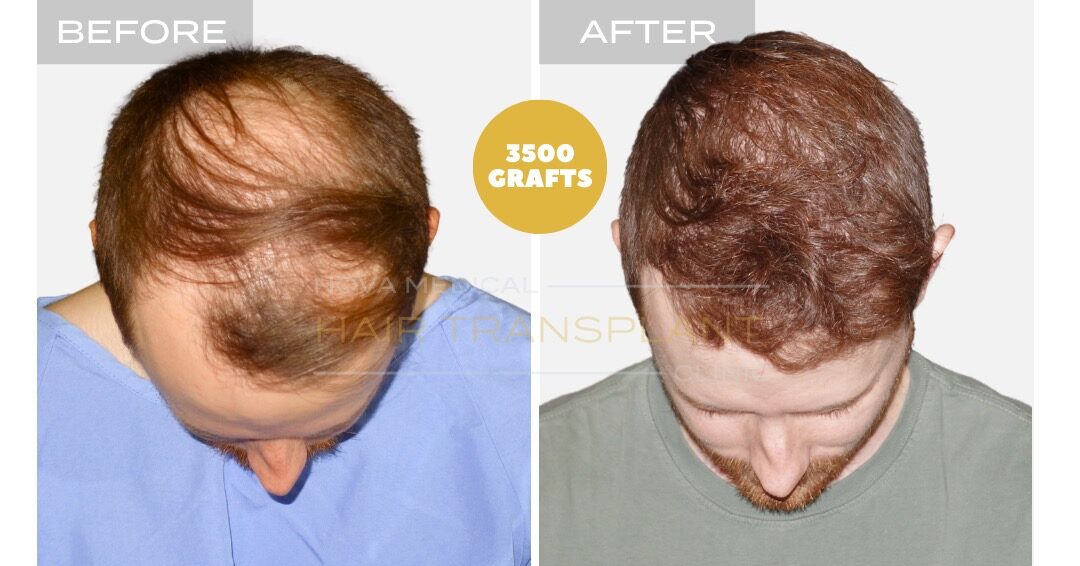
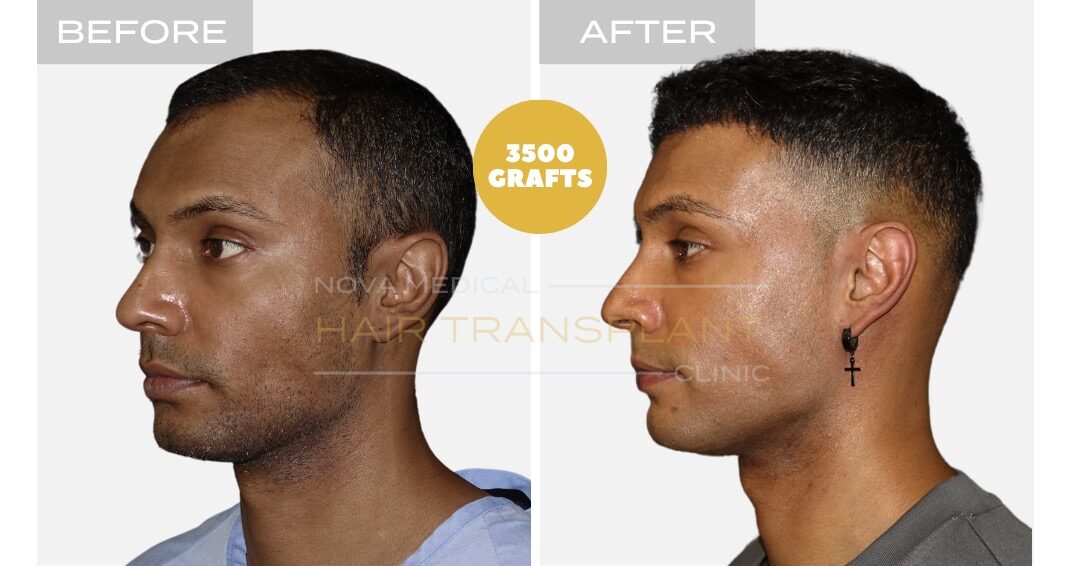
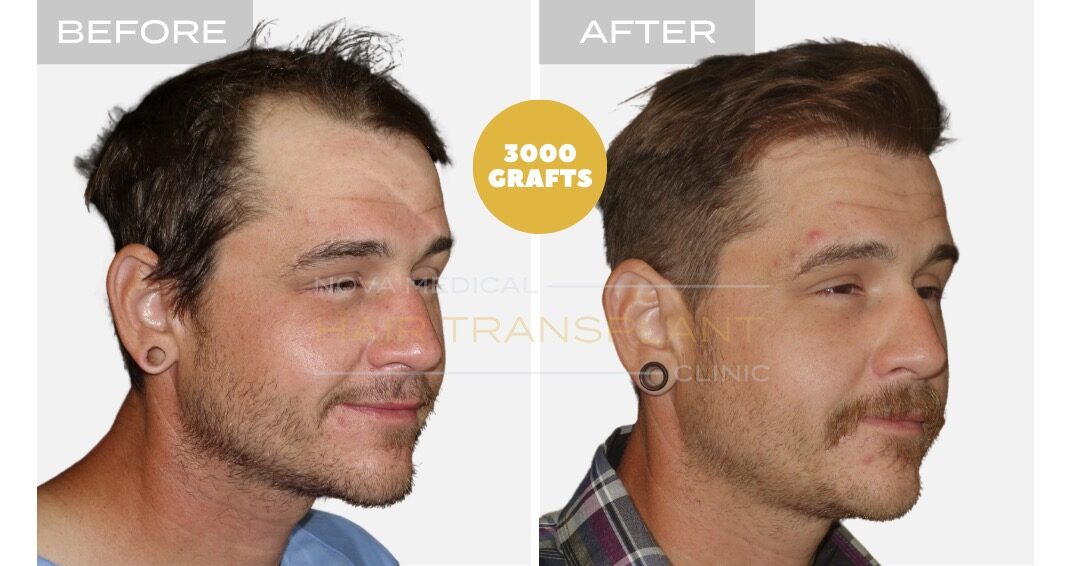
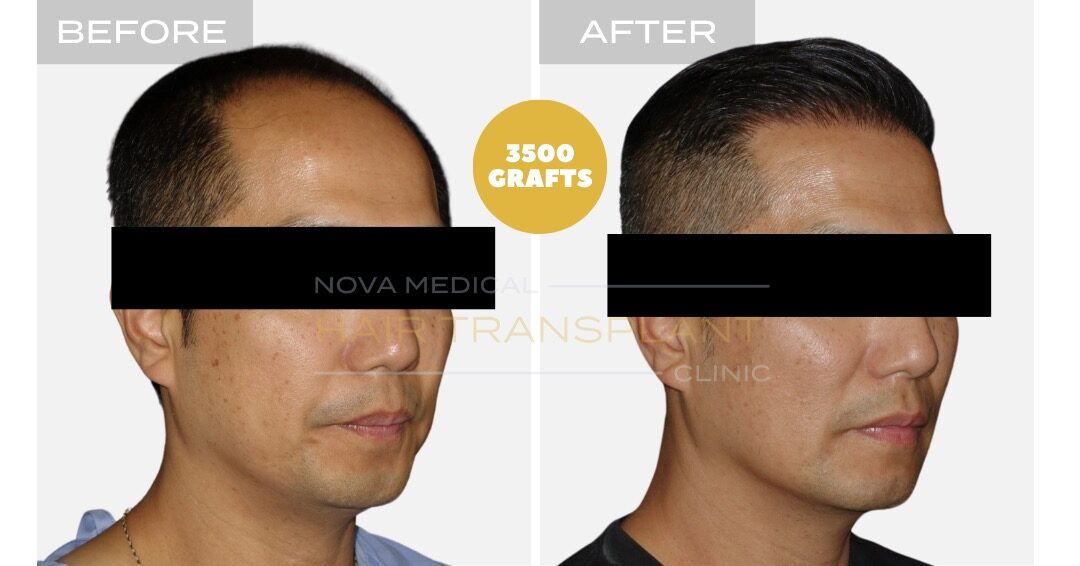
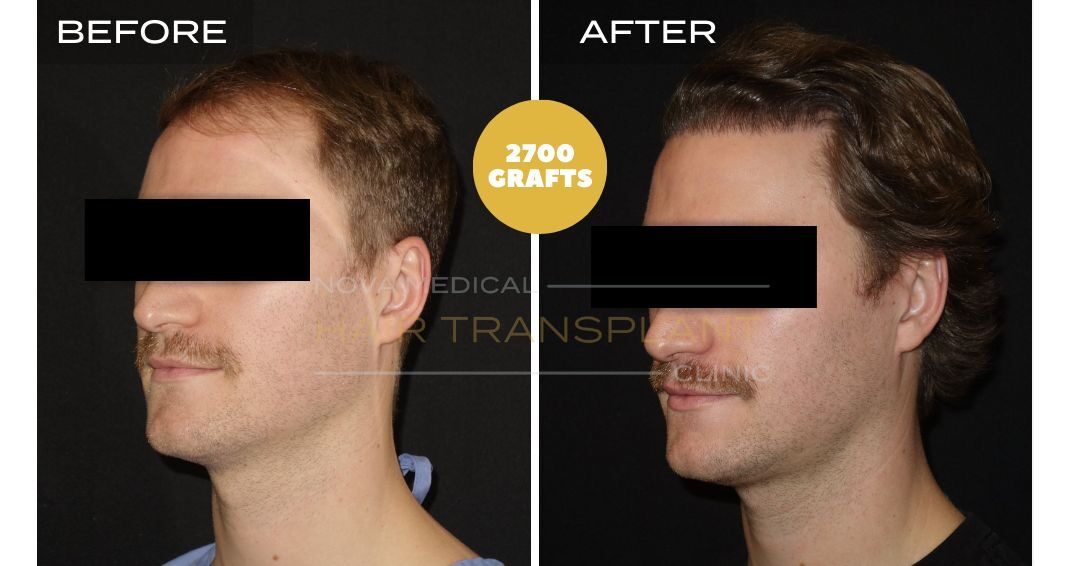
Hair Transplant Recovery, Stage by Stage
Everyone heals at a slightly different pace, but the stages below describe what most Nashville patients go through. Treat them as a guide, and phone us if your scalp is doing something you did not expect.
The day after surgery, mild discomfort, swelling or tightness across the scalp is normal, along with light crusting around the new grafts. You can take the bandage off 24 hours after the procedure. Leave the grafts alone, sleep with your head raised (a travel pillow helps for the first 10 nights) and keep the scalp dry, misting the grafted area with the saline spray you are given 4 to 5 times a day.
Do not wash the scalp for the first 3 days. After that, mix a gentle baby shampoo with warm water in a cup, pour it softly over the head and rinse with a few more cups of warm water, without rubbing and without putting your head under water. Bending, lifting and exercise all push blood to the scalp, so keep them on hold. Swelling on the forehead or around the eyes can be eased with an ice pack over the eyebrows, never on the grafts, for 15 minutes each hour.
A week in, most swelling and soreness has eased and the small crusts start to come away on their own. Do not pick at them; if a short hair comes out with a crust, the bulb is still in the scalp. Tingling, itching, redness or bruising for a few days is part of normal healing, and the donor area usually looks settled after 7 to 10 days.
After about 10 days you can return to normal showers with gentle water pressure, still using baby shampoo and the pads of your fingers rather than nails. Some transplanted hairs may begin to shed. Everyday tasks are fine, but heavy training waits until the two-week mark.
By one month the scalp has calmed, the crusts are gone and many of the transplanted hairs have fallen out. This temporary "shock loss" is expected. Light itching or sensitivity is common as follicles settle. Keep the scalp out of strong sun, avoid chlorine until about four weeks have passed, and ask us before restarting minoxidil, which is usually fine after the first month.
Months three and four are a quiet stretch. The follicles are getting ready to grow, but little may show yet, so waiting it out is the main task here.
At six months, progress tends to be obvious when you compare photos. The early hairs are often fine and pale, then thicken and darken, so each follow-up visit usually shows more.
Around one year, density in the treated areas is close to final and the new hair sits in with your own. Any leftover redness or marks should be faint, if visible at all. Some patients keep gaining fullness for several more months. Because the grafts came from hair that resists thinning, they are expected to last, and gentle washing plus sun protection helps the result keep looking good.
Your Hair Back?
Book a free assessment in Nashville and leave with a clear plan.
Request a Free Consultation
No obligation • Free assessment
Recovery Do's
- Read the written aftercare sheet and follow it step by step, especially the washing schedule
- Sleep propped up, ideally with a travel pillow and two pillows behind your back, for the first 10 nights
- Drink plenty of water and eat well, since good nutrition supports healing
- Use a baby shampoo free of fragrance, parabens, dyes, phthalates and sulfates
- Take prescribed medicines exactly as directed, including the full antibiotic course
- Mist the grafted area with the saline spray 4 to 5 times a day until the bottle runs out
- Allow crusts to loosen and fall away naturally in the shower
- Come to your follow-up appointments in Nashville so the team can check how the grafts are doing
Recovery Don'ts
- No scratching or rubbing, even when the scalp itches; ask us about an antihistamine instead
- No weight lifting, intense workouts, saunas or steam rooms for 2 weeks
- No direct sun on the scalp: wear a loose, breathable hat outside after the first weeks and sunblock later on
- No tight hats or baseball caps for the first 3 to 4 weeks, as they can press on the grafts
- No alcohol for 7 days, because it slows healing
- No smoking or vaping while you heal, as nicotine reduces blood flow to the grafts
- No swimming for 4 weeks, since pool chlorine should not reach healing skin
- No gel, hair dryer or power shower for 6 weeks, and no coloring or straightening for about 2 months
Growth Checkpoints
Five checkpoints that sum up the recovery timeline for most patients.
Day 0-14
Healing and Crusts Clearing
Week 2-4
Transplanted Hairs Shed
Month 3-4
First New Hairs Appear
Month 6-8
Coverage Clearly Improves
Month 9-18
Final Density Settles In
Why the New Hair Falls Out First
It surprises many patients: a few weeks after surgery, much of the transplanted hair drops out, and this can continue for up to about four months. Only the hair shaft is lost. The follicle stays anchored where it was placed.
Being moved sends each follicle into a resting phase. When that rest ends, typically three to four months on, fine new hairs start to grow and gradually become stronger. Seeing this pattern on schedule is a good sign.
Blood Thinners, Supplements and Medicines
Everyday supplements such as ginseng, garlic extract or omega-3s, and some anti-inflammatory painkillers, can raise the risk of bleeding. Supplements are usually stopped 10 days before the procedure and restarted 2 weeks after it, multivitamins included, and Tylenol is the usual choice for pain in the days beforehand.
A prescribed medicine is a different matter: do not stop it without advice. Where a drug is needed for a heart or other condition, we talk it through with you, and with your own doctor if needed. Finasteride can usually be continued. After surgery you receive prescribed pain relief, medicine for swelling and a short precautionary antibiotic course.
Bring a full list of what you take, over-the-counter items and herbal products included, and mention any allergies. That lets Dr. Hatef plan a safer procedure day and aftercare that fits you.
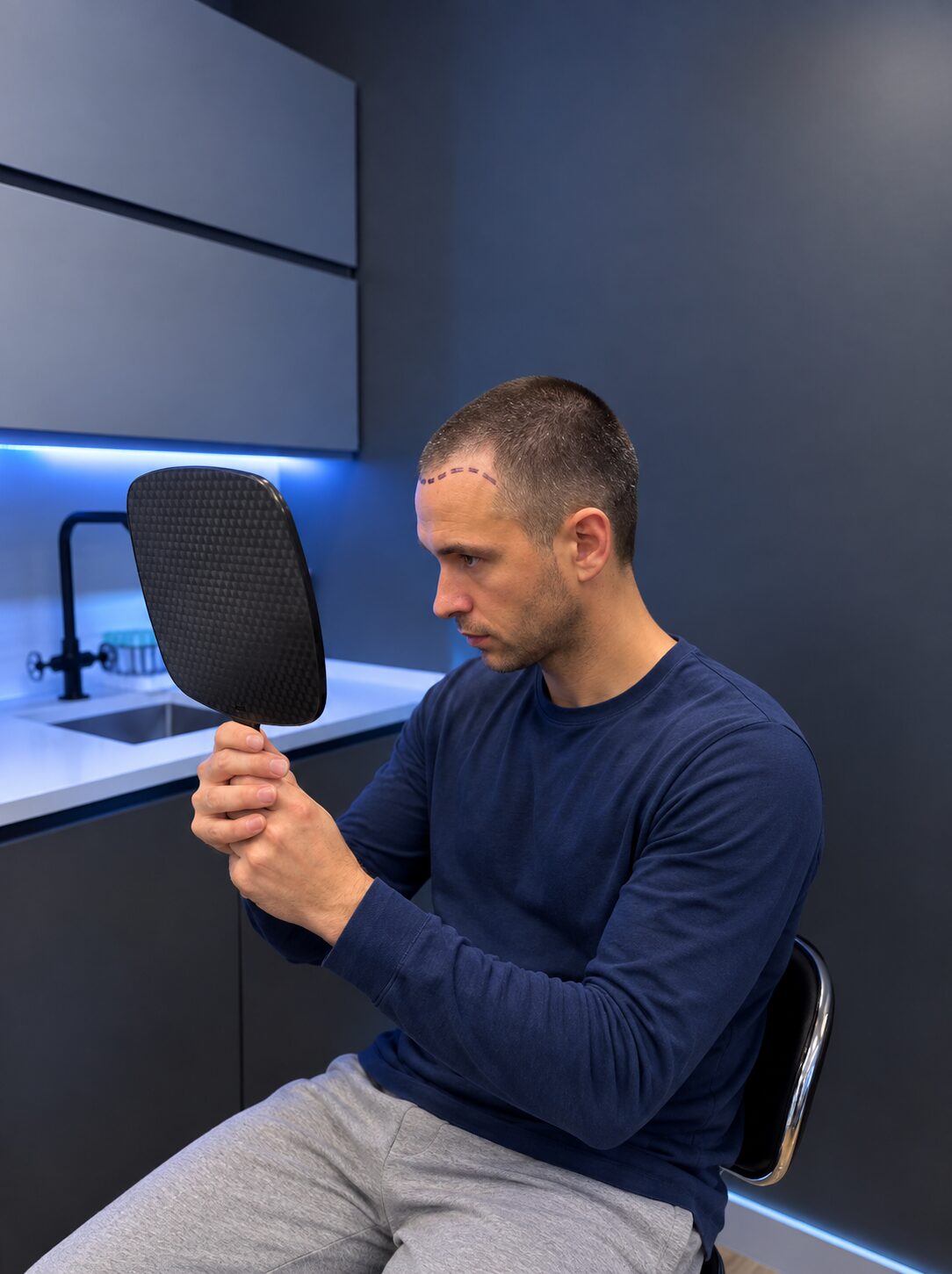
Hair Transplant Recovery in Nashville
Patients treated at Nova Medical Hair Transplant Tennessee, 6200 TN-100, Suite 101, Nashville, come from Davidson County, the rest of Middle Tennessee and other states. Wherever you travel from, four points shape how well you heal:
Gentle Washing: Use a spray-on or poured baby shampoo at first, then lukewarm water without rubbing or scratching. Mild, scalp-friendly products help avoid irritation.
Sun Protection: Tennessee summers bring plenty of sun. Cover the scalp with a loose, breathable hat outdoors, and once cleared, use broad-spectrum sunblock on the scalp for about a year.
Exercise and Sweat: Hold off on heavy lifting and hard workouts for two weeks. Extra blood flow and sweat can unsettle grafts that have not yet anchored.
Realistic Timing: The shed is temporary, new hair appears after a few months, and the full result takes 12 to 18 months. Sticking to the care plan is what protects it.
If anything about your healing concerns you, do not wait for the next appointment. Call or text (629) 210-3777. Dr. Dan Hatef reviews progress at follow-up visits and can adjust your aftercare to how the scalp is healing.
Before Surgery Day
-
1
Plan Your Medicines
Note every prescription, vitamin and supplement and bring the list to your assessment. Supplements usually stop 10 days before surgery, and the team will tell you exactly what to pause.
-
2
Time Your Coloring
If you dye your hair, have it done a week or two before the procedure. Afterwards, wait 6 to 8 weeks and get our go-ahead, then pick a gentle product.
-
3
On the Morning
Arrive by 8:15 AM, leave valuables at home and bring earbuds or an audiobook. You may trim the donor area at the back to skin level with clippers (no blades), or our team will do it. Wear a button-down shirt so nothing passes over the grafts.
Nova Medical's Board of Surgeons
Recovery plans for Nashville patients are led by Dr. Dan Hatef and follow care standards shared across the Nova Medical network.
Dr. Jeffrey Spiegel
Boston, USA - Facial plastic surgeon and founder of The Spiegel Center, known internationally for his work in facial aesthetics and hair restoration.
Dr. Dan Hatef
Nashville, Tennessee - Dr. Dan Hatef leads Nova Medical Hair Transplant Tennessee and reviews each patient's healing at follow-up visits.
Dr. Adam Rubinstein
Florida, USA - Plastic surgeon certified by the American Board of Plastic Surgery, with advanced training in aesthetic plastic surgery.