
Female Hair Transplant Tennessee
Restoring Fullness for Women
Who Are Losing Hair
in Nashville
Thinning hair is not only a men's concern. Women deal with it too, often with the same emotional and social weight. A female hair transplant Tennessee plan at Nova Medical Hair Transplant Tennessee in Nashville moves healthy follicles from your own scalp into the areas where density has faded, so the result grows as your own hair. If you are dealing with female pattern hair loss, also called androgenic alopecia, you are far from alone.
Shedding somewhere around 50 to 100 hairs a day is normal. When the loss goes beyond that, the signs tend to be a part that keeps getting wider, less volume and more scalp showing under bright light, and that is usually when women start looking for an answer that lasts.
Although pattern baldness is mostly linked with men, a real share of the patients we see are women, and many notice extra shedding after pregnancy, around menopause, with other hormone changes or because thinning runs in the family. Female hair loss is talked about less openly, so we keep every step private and discreet.
Grafts can be taken with either of two methods: Follicular Unit Extraction (FUE) or Follicular Unit Transplantation (FUT). The choice is made around your hair type, your goals and your routine, with natural, lasting growth as the aim.
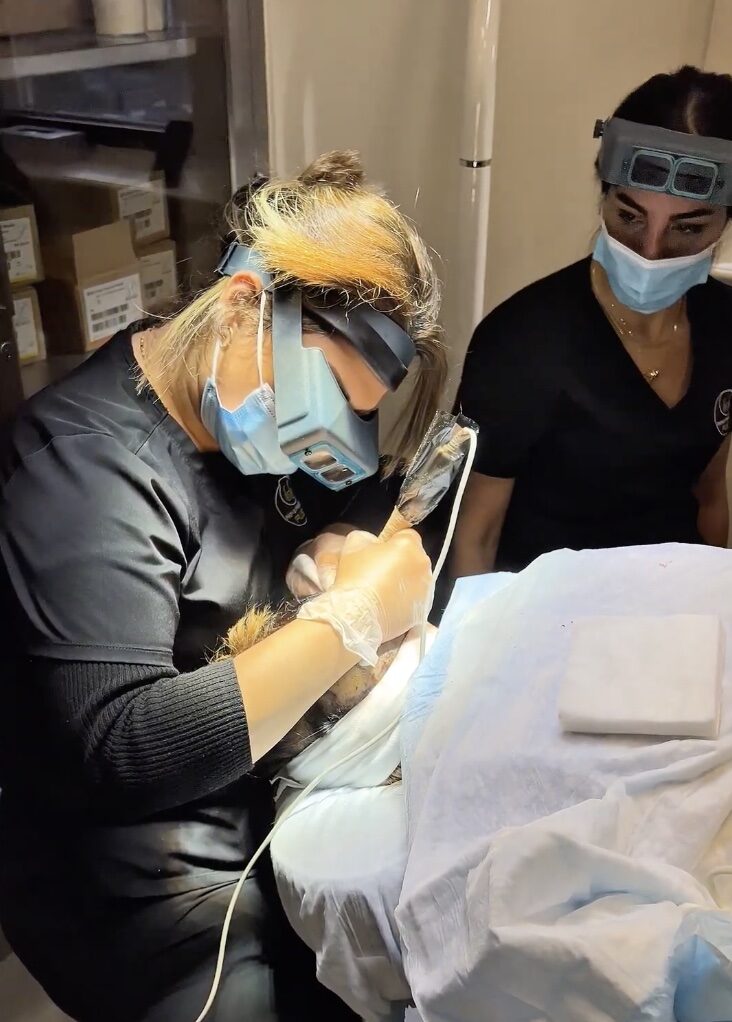
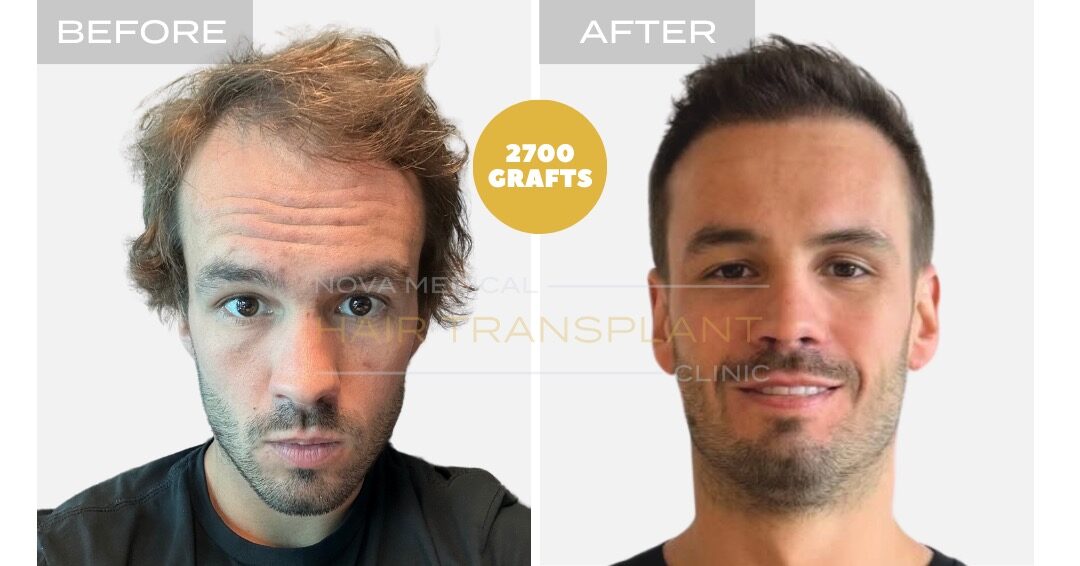
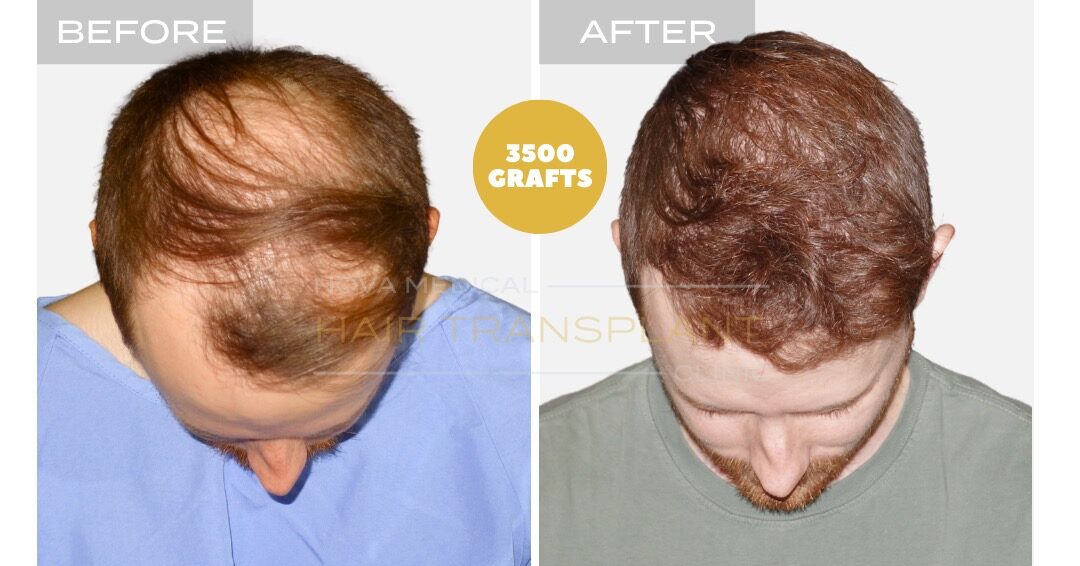
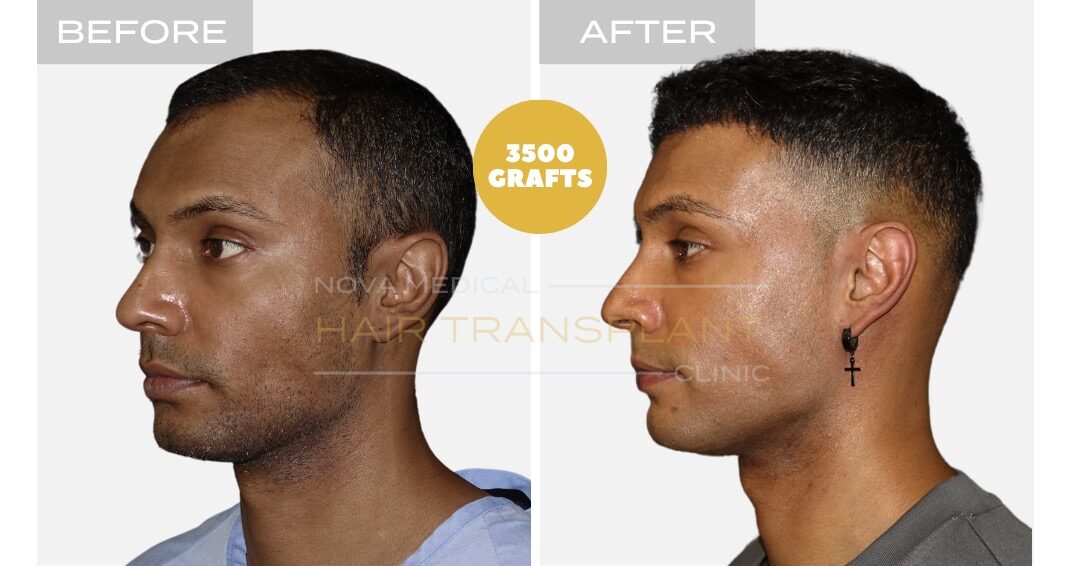
Before & After Gallery
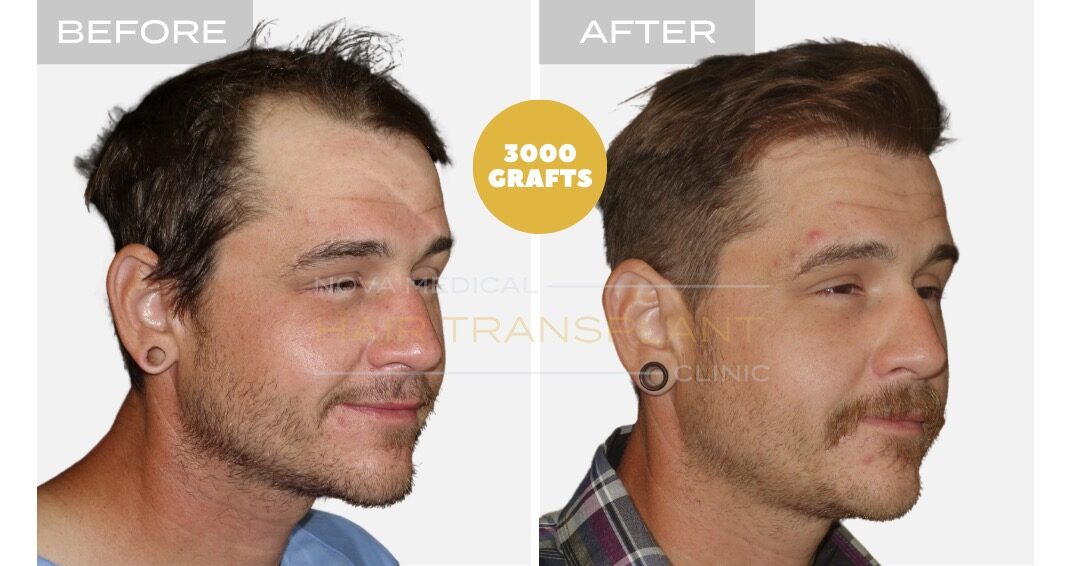
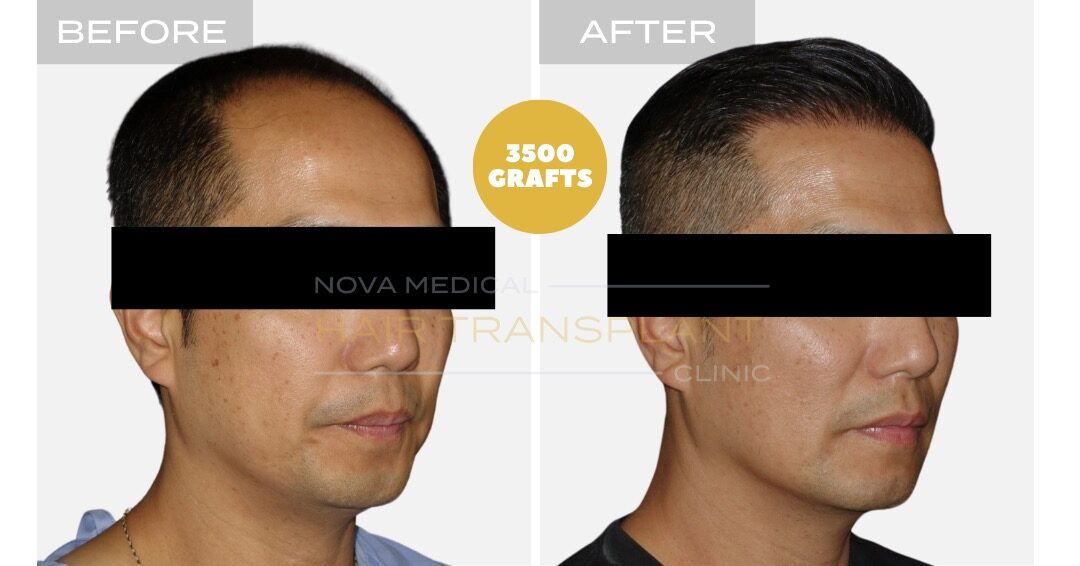
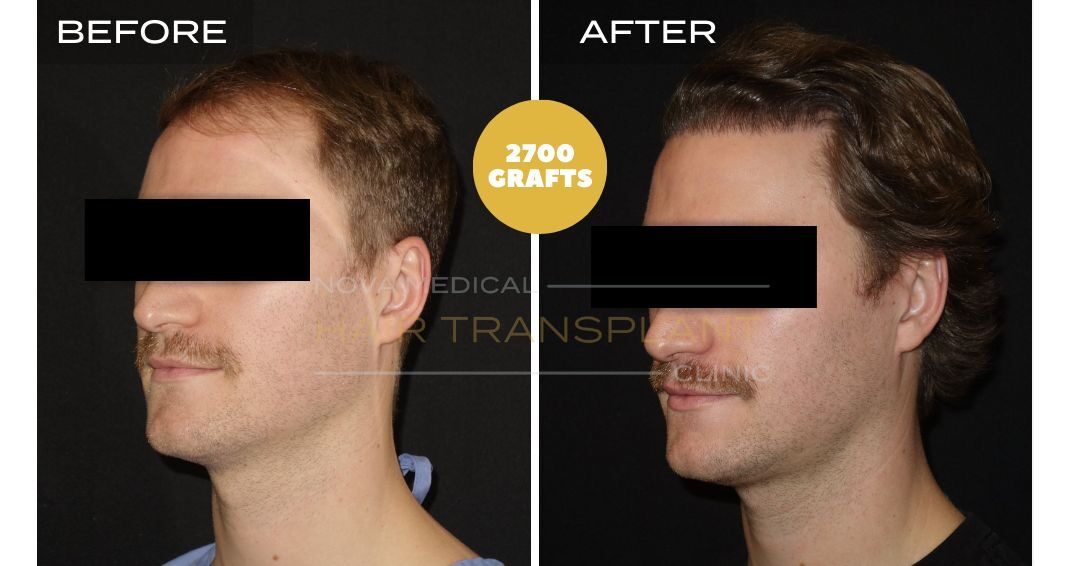
Your Female Hair Transplant, Step by Step
-
1
Consultation and Plan
It starts with a sit-down with Dr. Hatef and the team. We look at the pattern of your thinning, ask what you want to change and map out a plan. Platelet-rich plasma (PRP) is offered as a separate, optional treatment, and we will say plainly whether it is worth adding in your case. The plan fits your pattern, whether that is diffuse thinning, a receding front edge or patchy loss.
-
2
Marking the Design
On the day, the first task is drawing the treatment area. Graft positions are planned to suit your face and the way you part and wear your hair, and nothing moves forward until you have seen the design and agreed to it.
-
3
Taking the Donor Grafts
Both the donor and the recipient zones are numbed with local anesthesia. With FUE, single follicular units are lifted from the back of the scalp with a fine punch; with FUT, a thin strip is removed and divided into grafts. Which route suits you is settled at the consultation.
-
4
Placing Each Graft
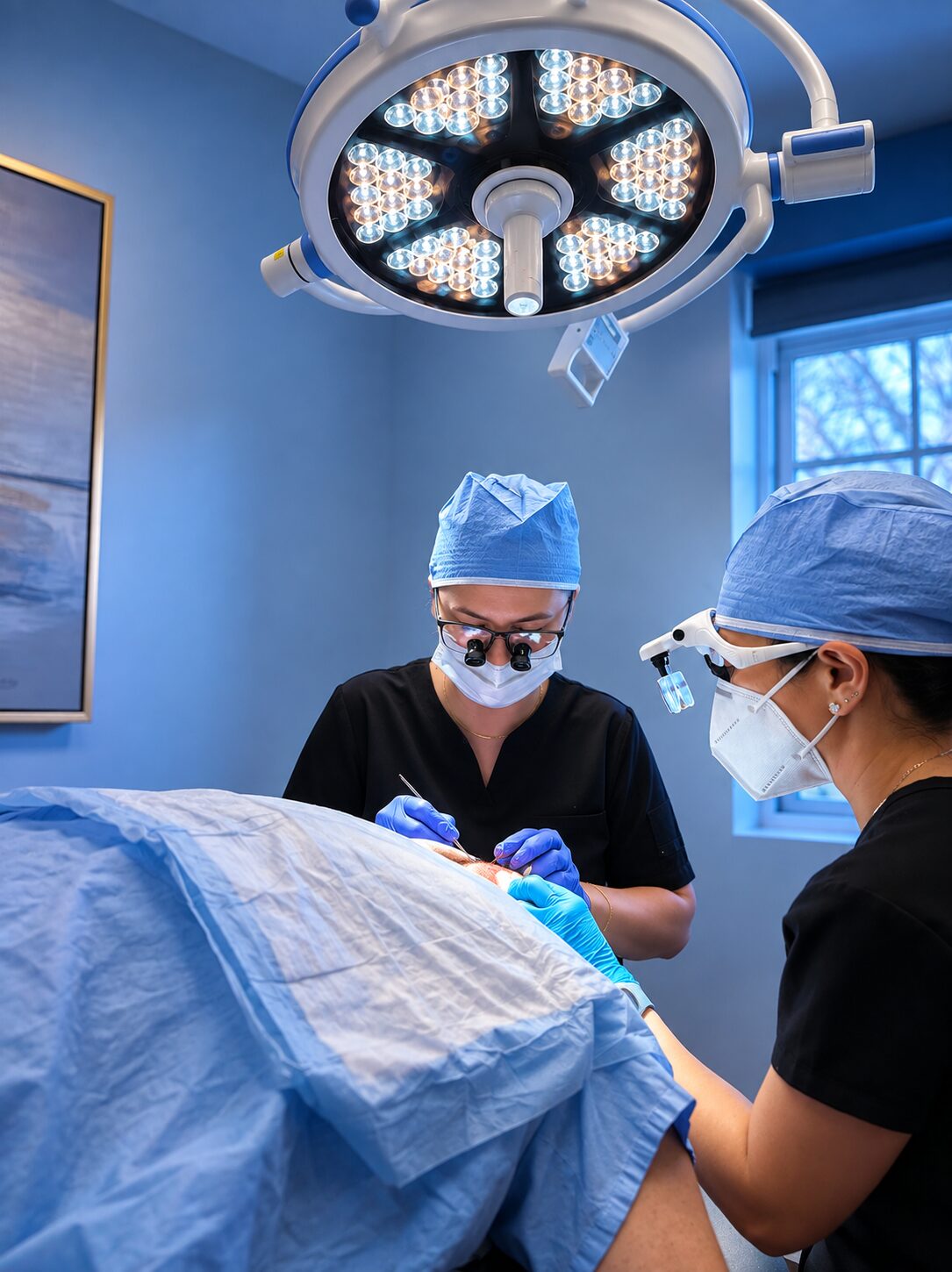
The grafts are then set into the thinning zones one at a time. Angle, direction and spacing are matched to the hair around them so the new growth sits in with your own. Larger plans naturally take longer than small ones.
-
5
Going Home
You leave with written aftercare instructions. A little swelling or redness over the first days is common and settles quickly. Heavy exercise and strain should wait until we tell you it is fine.
-
6
Regrowth
Light activity usually resumes within days. A few weeks in, many transplanted hairs shed, which is an expected part of the cycle. New hair starts coming through after a few months, and the full result shows after 6 to 12 months.
What a Female Hair Transplant Costs in Tennessee
The price follows the graft count. Adding density along a widening part or at the temples needs fewer grafts than rebuilding coverage across the whole crown and top, so we work out the plan first and price it second.
Each graft costs $3.99 to $7.99, and most women's procedures land somewhere between $4,000 and $15,000. Nothing is added as a session fee. You get the figure in writing once Dr. Hatef has examined your scalp in Nashville, and the hair transplant cost page sets out how the per-graft model works.
If spreading the cost suits you better, monthly payment plans are available, including 0% financing for the first 12 months.
Request a Free Consultation
No obligation • Free assessment
How Much Time Does the Procedure Need?
Set aside one full day. Most women's procedures take six to eight hours, depending on the number of grafts, and you are home that evening with your instructions.
You are awake throughout with the scalp numbed, and we stop for breaks so you can eat, stretch and use the washroom. Plenty of patients pass the time with a podcast or a show.
If possible, arrange a ride home and keep the evening quiet. You spend most of the day sitting back comfortably.
Is It Right for You?
Surgery is not the answer for every woman whose hair is thinning. In the consultation we review how the loss has developed, how strong your donor area is and what you hope to see. Women who do well usually have:
- Thinning that has stabilized instead of still getting faster
- Enough healthy hair at the back and sides to supply grafts
- Goals that fit the number of grafts the donor area can give
- Thyroid, iron and other medical factors already checked and managed
- A plan to avoid smoking and vaping around the procedure
Why Women Choose a Hair Transplant
A hair transplant gives women in Nashville and across Tennessee a long-term way to restore hair and confidence. At Nova Medical Hair Transplant Tennessee every plan is personal and aimed at growth that looks like your own. These are the advantages women mention most:
Long-Lasting Growth
The grafts are your own follicles, taken from zones that hair loss usually spares. Those hairs keep the resistance to thinning they had in the donor area, so they go on growing for years. Unlike wigs, toppers or daily topical products, there is nothing to keep buying or reapplying once the grafts have taken.
Looks Like Your Own Hair
Every follicle is set at the angle and in the direction of the hair already there, at a density that suits the area. Because the pattern follows your own, the new growth softens into the rest of your hair and does not draw attention to itself.
Confidence Comes Back
Losing hair can wear down how a woman feels about her appearance and change how she goes about her day. Many patients tell us that once the part narrows and the volume returns, they stop thinking about their hair every time they leave the house.
Built Around Your Pattern
No two women lose hair the same way, so no two plans look alike. Diffuse thinning, a receding front edge and patchy areas each call for a different design. Dr. Hatef shapes the plan around your hair type, face and goals so the result suits you rather than a template.
Minimal Scarring with FUE
With FUE the follicles come out one by one, with no long incision and no stitches. That leaves little to no visible scarring, so short or swept-back styles stay an option, and most women are back to light activity within a few days with only mild discomfort.
Easy to Live With
After the healing period the transplanted hair needs no special care. You wash it, cut it, color it and style it like the rest of your hair, and it keeps growing with it. No particular products are needed to hold on to the result.
Why Do Women Lose Hair?
Some causes of thinning in women overlap with those seen in men, and some are specific to women. Inherited female pattern hair loss, or androgenic alopecia, is among the most frequent. It tends to run in families and usually shows as gradual thinning over the crown and top of the head.
Hormones matter a great deal. Pregnancy, the months after giving birth and menopause all shift hormone levels, and that can bring heavier shedding or a thinner look. Thyroid problems and polycystic ovary syndrome (PCOS) are other recognised contributors.
Stress can set off telogen effluvium, where many hairs move into the resting phase early and fall out together. Low iron, vitamin D or protein can leave hair finer over time, and harsh chemical treatments, tight styles and some medicines can injure follicles, sometimes for good.
Pinning down the cause comes first, because it decides which treatment, transplant or otherwise, will actually help.
Hormonal Change
Childbirth, stopping the pill, menopause or an overactive or underactive thyroid can tip a large number of hairs into shedding at once.
Family Pattern
Inherited thinning, from either parent, tends to appear first as a widening part and a sheer look on top, while the front edge often stays intact.
Stress and Illness
An operation, a high fever, a loss in the family or a hard period at work can trigger a heavy shed two to three months later, which frequently recovers without treatment.
Traction and Scalp Conditions
Tight ponytails, weaves and heavy extensions worn for years can thin the hairline, and alopecia areata or scarring alopecias must be diagnosed medically before any surgery is considered.
Diet and Deficiencies
Low ferritin, low vitamin D or a diet short on protein can make regrowth finer, and all three are simple to test and usually to correct.
FUE for Women
Follicular Unit Extraction (FUE) is one of the treatments women ask about most at our Nashville clinic. A fine, precise punch frees single follicles from the donor area, and those follicles are then placed into the thinning or bare parts of the scalp.
It suits women who want a natural look with little downtime and no linear scar. Many patients can keep their usual style while they heal, and the improvement builds gradually over the following months.
Where a larger number of grafts is needed in one session, FUT can be the better fit, and Dr. Hatef will explain the trade-offs between the two. Learn more on our FUE Tennessee page.
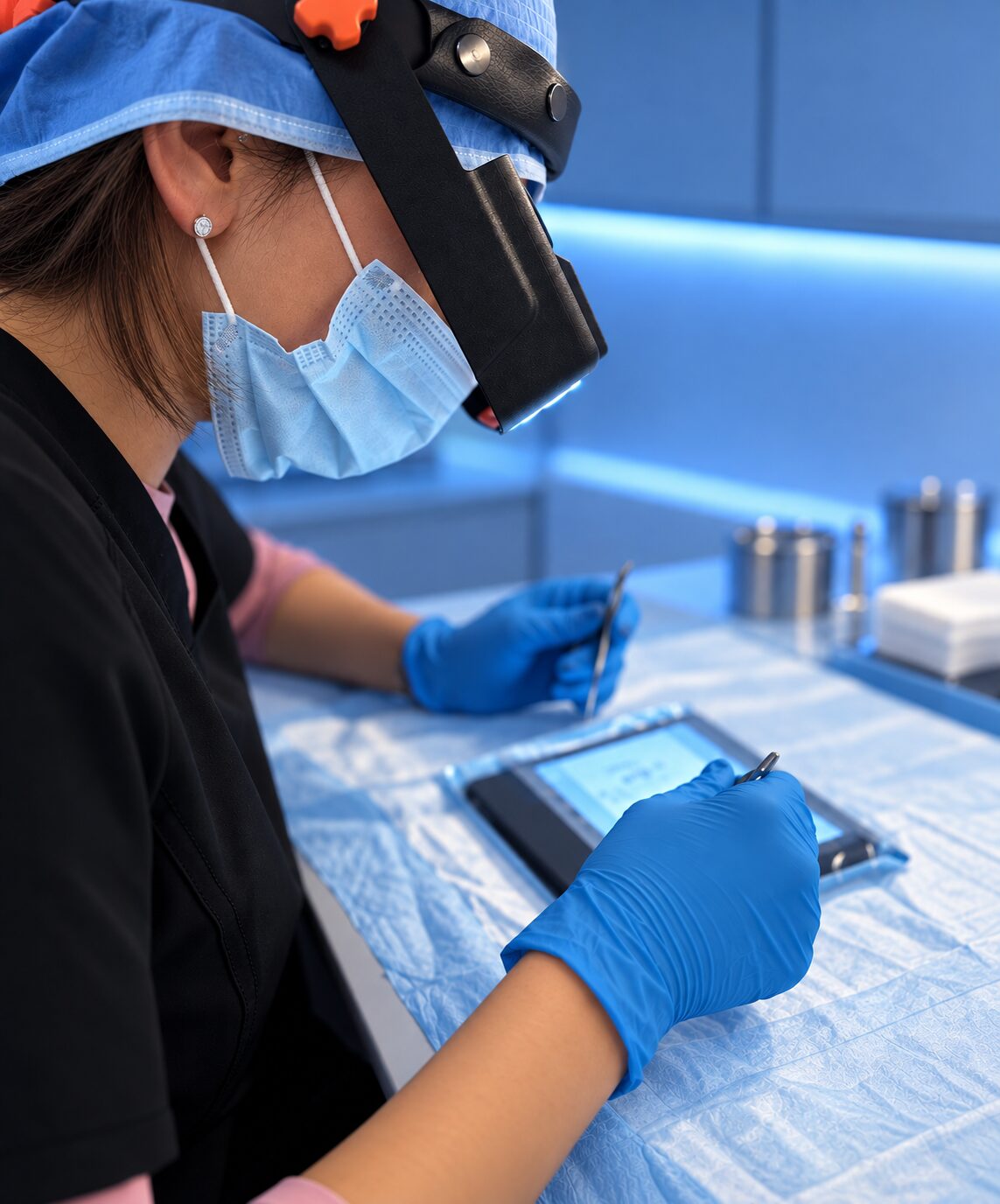
Female Hair Transplant Tennessee in Nashville
Women are seen at Nova Medical Hair Transplant Tennessee, 6200 TN-100, Suite 101, Nashville, TN 37205. Patients come from Davidson County, from across Middle Tennessee and from other states, and one number, (629) 210-3777, reaches the team.
When thinning is light or evenly spread, PRP for hair loss can be talked through as a separate option, before grafts or alongside them. It is made from a small sample of your own blood, and we will give you a straight answer on whether it is likely to make a difference.
Dr. Hatef leads each female plan and checks the graft count, the design and the treatment areas before procedure day. Call or text (629) 210-3777 to arrange a visit in Nashville.
Getting Ready for Procedure Day
-
1
Share Your Medications
Bring a written list of prescriptions, vitamins and supplements. We will say which, if any, should be paused beforehand and when to resume them. Never stop a prescribed medicine without guidance.
-
2
Rule Out Medical Causes
A careful scalp exam, plus blood tests for iron, vitamin D or thyroid where useful, confirms nothing treatable has been missed.
-
3
On the Morning
Shampoo that morning and skip styling products, have a light breakfast and choose a top that buttons or zips at the front.
Healing After a Female Hair Transplant
- First Week
Expect some tenderness or puffiness. Keep your head raised at night, leave the grafts alone and dry as directed, and hold off on workouts and bending forward.
- Week 2
The tiny crusts have mostly cleared, and most women are back at work within 5 to 7 days. Coloring and styling are usually fine from about two weeks, but check with us first.
- Weeks 2-6
A large share of the new hairs shed now. This is expected: the follicles remain in place and rest before growing again.
- Months 3-4
The first new hairs appear. They start out fine and soft and gain thickness over the months that follow.
- 6 Months
Around here other people tend to notice. The part looks narrower and your hair is easier to style.
- Months 12-18
Growth reaches its final density and texture. Across the first year we see you for 3 to 5 follow-up visits, and at the end we compare photos with the starting point.
How Does the Day Feel?
In Nashville, the day runs to the plan agreed at your consultation. Local anesthesia numbs the scalp first, and after that most women describe pressure rather than pain. Many are surprised by how comfortable it is.
You head home that evening. A little tightness and swelling for a few days is typical and fades on its own when you follow your aftercare sheet. Our shaveless option for women means your existing style can stay largely as it is.
Questions after you get home? Call or text (629) 210-3777 and the Tennessee team will help. A consultation is the first step toward a plan designed around your own hair.
PRP as an Option
Platelet-rich plasma (PRP) is a separate treatment. A small blood sample is taken and spun in a centrifuge to concentrate the platelets, which are then injected into the scalp.
Platelets hold growth factors, and the idea is to help weaker follicles stay in the growing phase longer. It is made from your own blood, so no outside substance is involved.
Women usually ask about PRP for diffuse thinning or to support healing after grafts. It is priced and planned on its own, outcomes differ from person to person, and we will tell you honestly whether it fits your kind of hair loss.
Nova Medical's Board of Surgeons
Women treated in Nashville have their plans led by Dr. Dan Hatef, with input from physicians across the Nova Medical network.
Dr. Jeffrey Spiegel
Boston, USA - Facial plastic surgeon and founder of The Spiegel Center, known internationally for his work in facial aesthetics and hair restoration.
Dr. Dan Hatef
Nashville, Tennessee - Dr. Dan Hatef leads Nova Medical Hair Transplant Tennessee and plans each female hair restoration case at the Nashville clinic.
Dr. Adam Rubinstein
Florida, USA - Plastic surgeon certified by the American Board of Plastic Surgery, with advanced training in aesthetic plastic surgery.