
DHI Hair Transplant Tennessee
What Is a DHI Hair Transplant?
If you are researching DHI Hair Transplant Tennessee options, the first thing to know is that DHI describes how grafts are implanted, not a different surgery. At Nova Medical in Nashville it sits inside a broader hair restoration plan and is chosen only where it helps.
The initials mean Direct Hair Implantation. Because the term shows up so often in advertising, it is worth separating what the technique actually changes from the parts of the procedure that stay the same.
Harvesting does not change. Follicular units are still removed individually from the donor zone at the back and sides of the scalp, just as in any follicular unit extraction. DHI only affects the second half of the day: how each graft enters the thinning area.
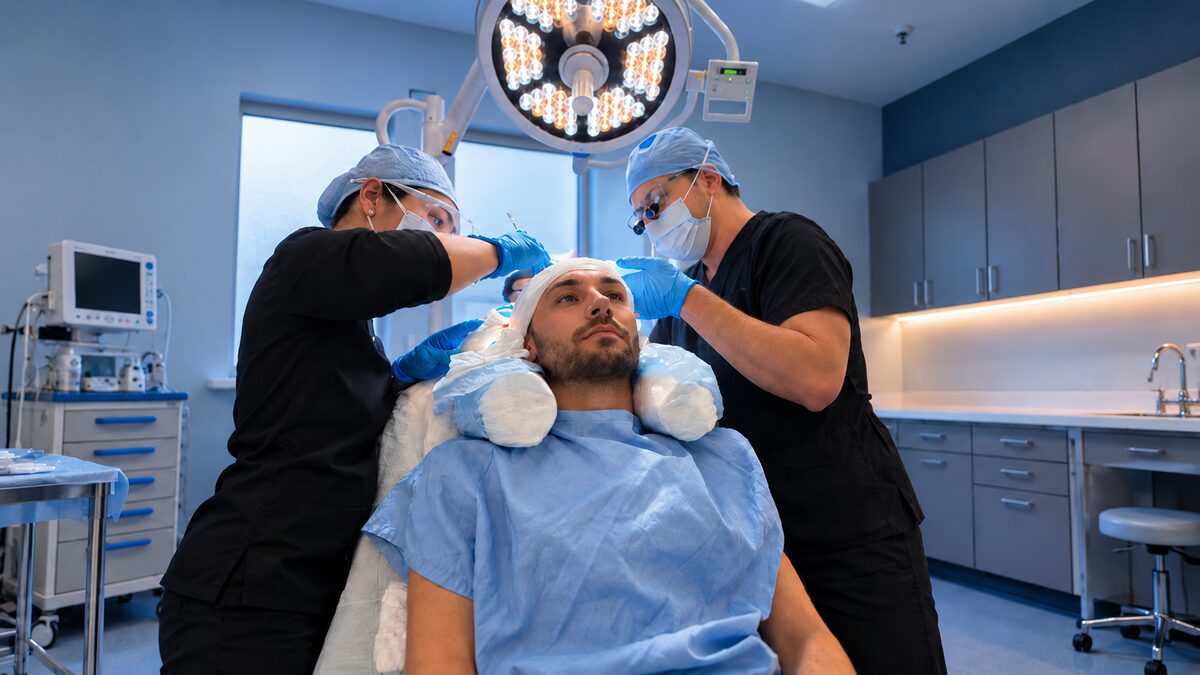
With standard FUE, recipient sites are created first with a fine needle or blade, and grafts are then eased into them with forceps. With DHI, a graft sits inside the hollow needle of a hand-held implanter pen (Choi-style pens are a familiar example), and one movement creates the opening and leaves the graft in place. The pen allows close control of depth and angle, yet each graft takes longer, so it is not an automatic pick for a big session. In Nashville, Dr. Hatef treats DHI as one tool inside FUE, reserved for the zones where it visibly improves the finished look.

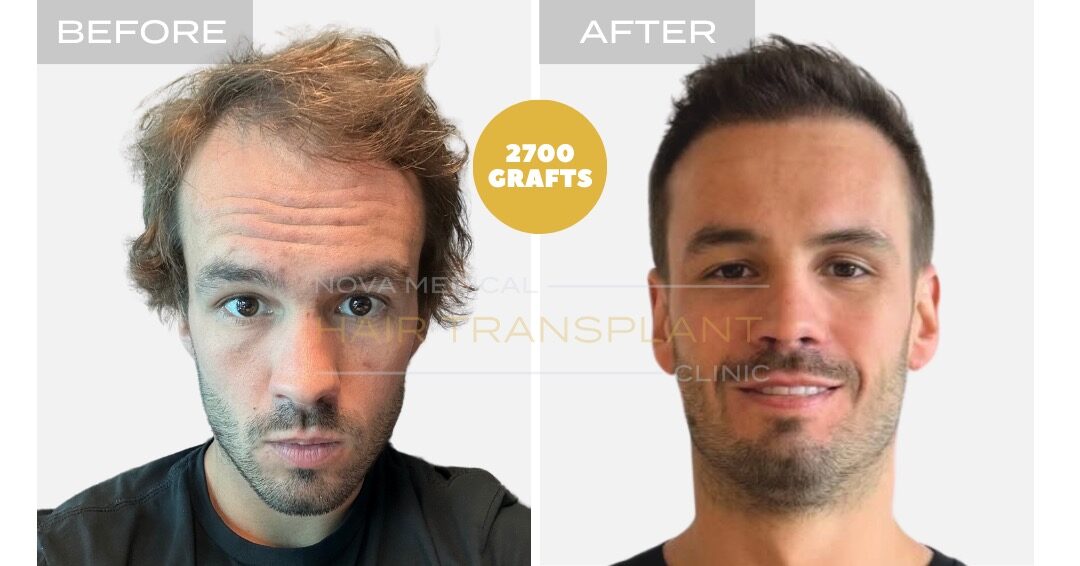
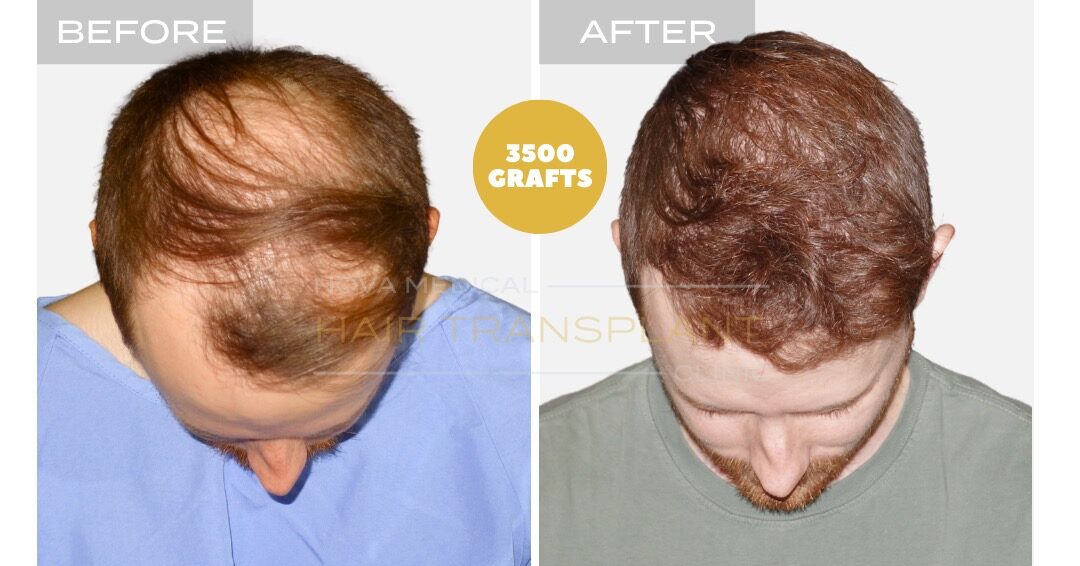
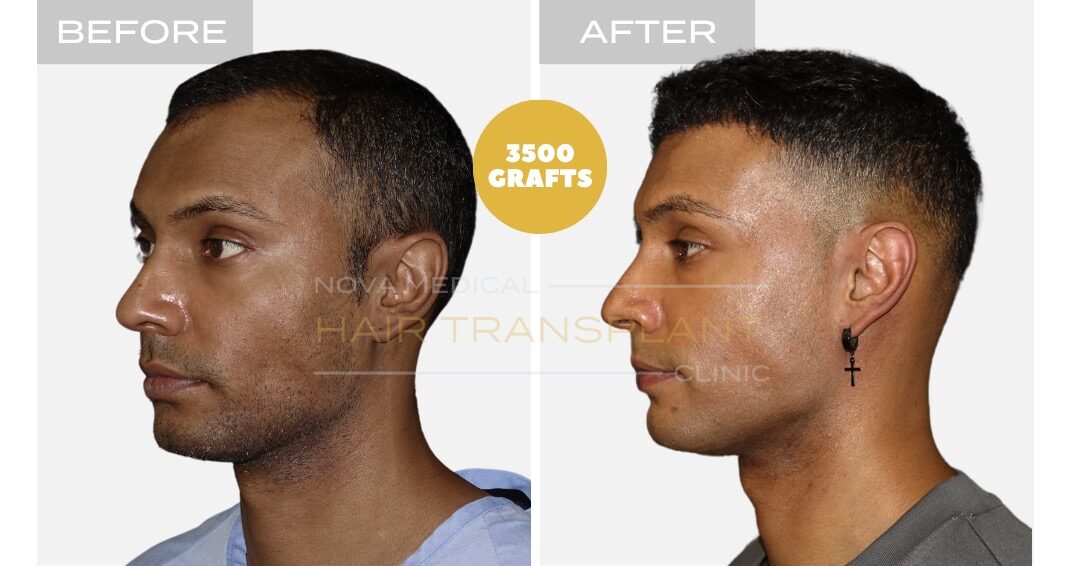
Before & After Gallery
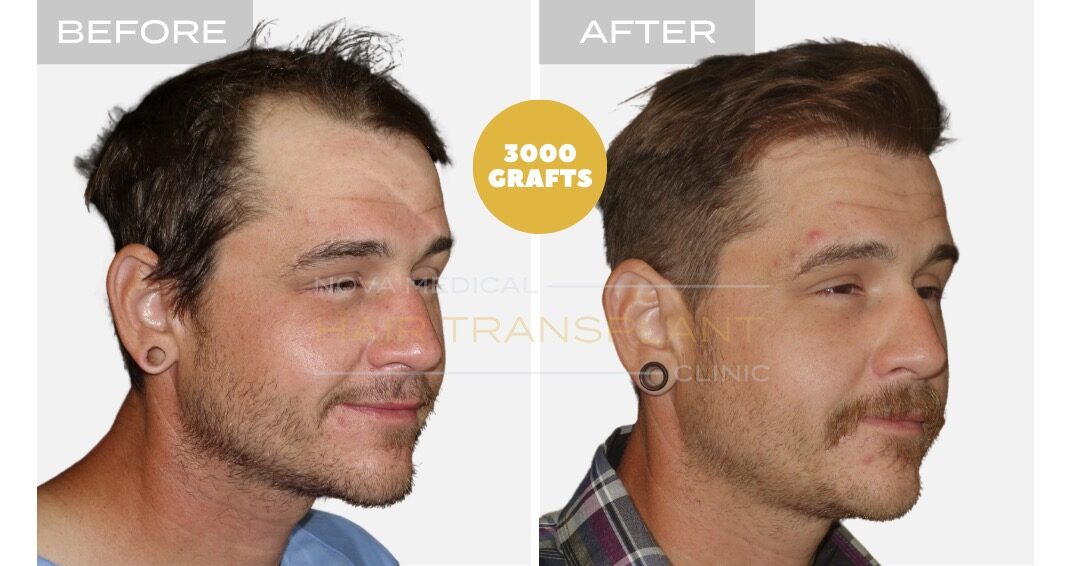
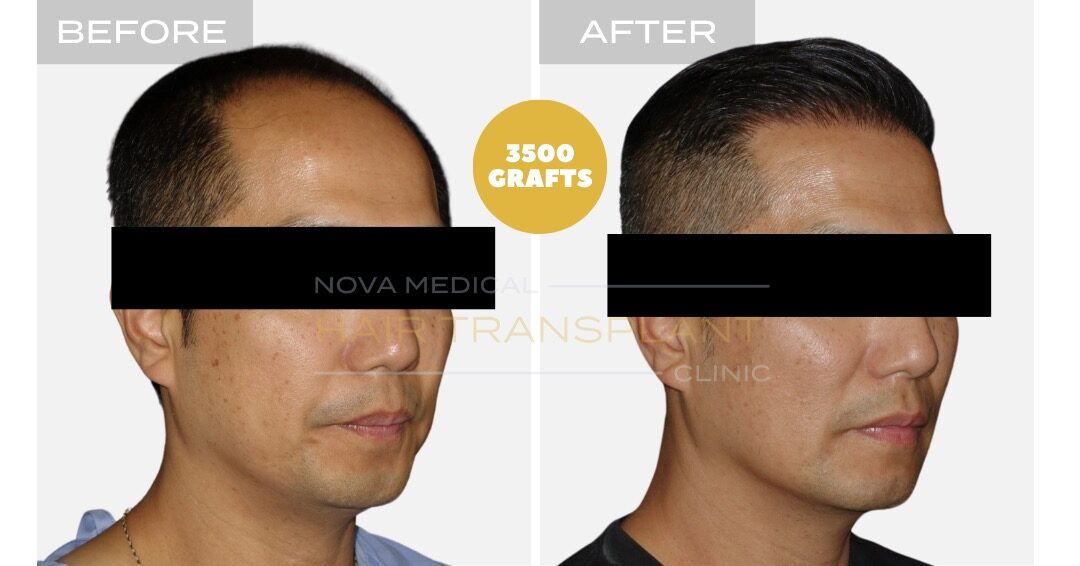
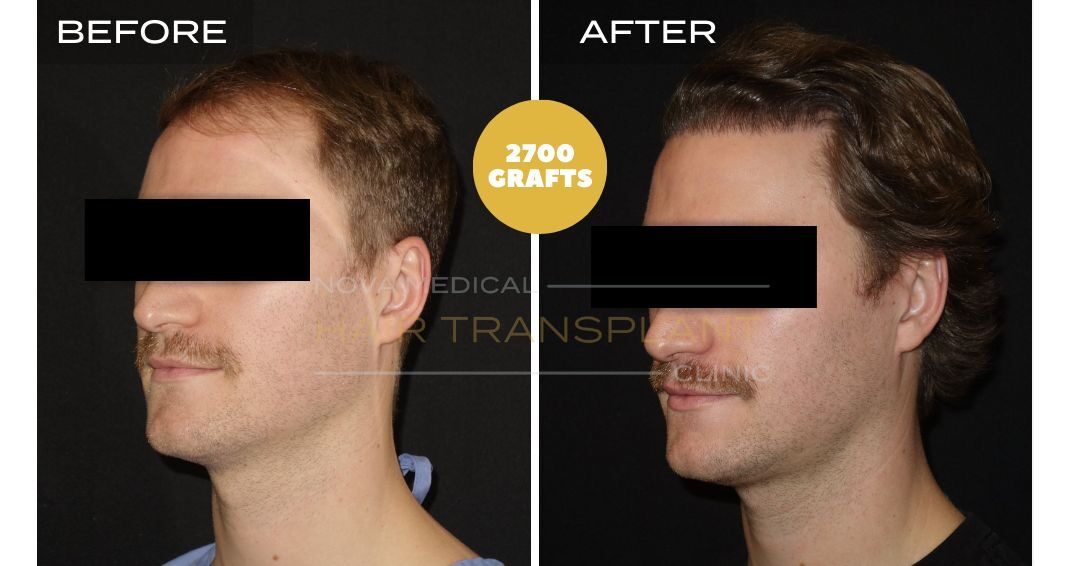
DHI Hair Transplant Tennessee: Key Advantages
Used on the parts of the scalp that suit it, pen placement gives patients in Nashville and from across Tennessee several practical benefits:
Precision Along the Hairline
People read a face from the front edge of the hair first. A pen can set every graft at the low, forward-leaning angle that a soft, believable hairline depends on.
Minimal Skin Openings
Each opening is made only at the spot where a graft goes, with a needle tip narrower than a millimeter, so the top of the scalp is spared larger incisions.
Short Time Out of the Body
Small numbers of grafts are loaded at a time and implanted soon afterward, which limits how long follicles sit outside the scalp.
Quick Return to Routine
Desk workers often need just a few days away, and a loose cap hides the treated area while tiny crusts heal.
No Linear Donor Scar
Harvesting one unit at a time means no strip is cut out and no sutures are placed, so very short haircuts remain an option.
Follows Your Natural Growth
Every pen placement can mirror the direction your existing hair already grows, helping the new hair sit flat and blend.
Gentler on the Follicle
Grafts are held fewer times on the way from donor to recipient area, which helps protect the fragile tissue surrounding each one.
Suited to Targeted Zones
Thinning temples, a weak front line or a small crown patch are the jobs where a slower, deliberate pace is worth it.
Confidence Day to Day
Patients often describe the biggest change as no longer thinking about overhead lighting, a breeze or how they look on a video call.
Planned for Your Scalp
Pen, forceps or a combination is chosen only after Dr. Hatef has examined your donor area and mapped the zones to treat.
The DHI Procedure Step by Step
Here is how a typical DHI day unfolds at our Nashville clinic:
- Numbing: local anesthetic is applied to both the donor and recipient zones, and you remain awake and comfortable for the whole session.
- Extraction: follicular units are removed one by one from the back and sides of the scalp, the hair most resistant to thinning.
- Graft inspection: every unit is examined under magnification and stored cool in a holding solution until placement.
- Pen loading: a team member places a single graft into an implanter tip, and several pens are kept loaded so the work flows without pauses.
- Placement: each pen is positioned at the planned depth and angle, releases its graft, and the next pen takes over. Dr. Dan Hatef designs the plan and oversees the session.
Who Is a Good Candidate for DHI in Nashville?
DHI tends to suit people who want:
- Hairline or temple restoration: zones where every angle is on display and spacing has to be exact.
- Work on a contained area: a patch or a thinned region rather than a whole-scalp case done in one day.
- Thickening between existing hairs: the pen can work among native hair with less chance of disturbing it.
- Use of a healthy donor zone: enough strong hair at the back and sides to supply the plan.
- Realistic timing: new hair needs most of a year to mature, whichever instrument places it.
Your Hair Back?
Every graft set by hand, at the angle your hair already grows.
Request a Free Consultation
No obligation • Free assessment
DHI vs. FUE
DHI is really a variation of FUE: the harvest is identical, and only placement changes. Standard FUE splits site creation and graft placement into two stages, so the full pattern can be mapped and opened before any graft goes in. DHI merges the two. Neither is superior for every patient, and DHI comes with trade-offs to consider:
- Slower sessions: placing grafts pen by pen takes more time, a real factor when a plan involves thousands of grafts.
- Possible extra cost: added chair time and single-use pens can raise the fee without improving the outcome for every scalp.
- Value depends on the zone: broad, less visible areas are often treated equally well with pre-made sites and forceps.
DHI vs. FUE/FUT
Set against strip surgery, DHI and standard FUE share these advantages:
- Small donor marks: tiny round extraction points that disappear into the hair at the back.
- Natural direction: grafts are angled to match your growth pattern so they merge with existing hair.
- Simpler healing: no sutured donor wound, unlike FUT (follicular unit transplantation), where a strip of scalp is removed.
- Freedom to keep the back and sides cut short
- Close control of hairline shape and density
- A quicker recovery with little donor-area soreness
- Donor hair preserved for a possible later session
Getting Ready for a DHI Hair Transplant in Tennessee
Some simple preparation makes the day easier:
- Two weeks ahead: share a complete list of medications and supplements; blood thinners are paused only with your prescribing doctor's approval.
- One week ahead: stop smoking or vaping if possible, since nicotine cuts blood flow to the scalp while grafts take hold.
- The final few days: skip alcohol, hair dye, styling products and hair fibers.
- The evening before: shampoo normally, eat well and aim for a full night's sleep.
- On the day: have breakfast, wear a button-up or zip-front top and line up a ride home, because the session can be long.
Recovery and Aftercare in Nashville
You go home with written instructions, a saline spray and a travel neck pillow. For the first few nights, sleep with your head slightly raised, and avoid touching, scratching or covering the grafts with a snug hat until the team clears it.
The team demonstrates your first gentle wash, usually done a couple of days after the procedure. Follow-up appointments continue through the first year to track growth, and our recovery guide covers what to expect week by week.
If something concerns you between visits, call or text (629) 210-3777 and the Nashville team will talk you through it.
Free ConsultationHow Long Do DHI Results Last?
Transplanted hair is intended to be permanent. Follicles taken from the donor zone carry their resistance to pattern hair loss to wherever they are placed, and using a pen does not alter that.
-
1
Donor Hair Holds Up
Hair from the back and sides reacts only weakly to DHT, the hormone that drives pattern loss, and it keeps that quality after relocation.
-
2
Growth Takes About a Year
Most transplanted hairs shed within the first few weeks, fresh growth usually starts around month three or four, and density fills in by roughly twelve months. Every patient's pace is a little different.
-
3
Existing Hair Can Still Thin
Hair that was not transplanted may keep receding. A hairline planned with future years in mind, plus treatment to protect current hair, keeps the overall look balanced.
-
4
Everyday Habits Help
A balanced diet, steady sleep, sun protection for the scalp and staying off tobacco support both the grafts and your native hair.
-
5
Annual Check-Ins
Seeing us once a year means new thinning is spotted early and your plan can be adjusted before it shows.
Why Patients Choose Nova Medical for DHI in Nashville
Planned by Dr. Hatef
Each DHI plan in Nashville is designed and overseen by Dr. Dan Hatef, a facial plastic surgeon, while the trained surgical team carries out harvesting and placement.
Both Placement Tools on Hand
The method is picked zone by zone, so the hairline can receive pen work while wider areas are handled however suits them.
A Hairline Designed With You
Your new front line is drawn with your input, reviewed in the mirror and refined until it fits your features.
Thinking Years Ahead
Graft placement accounts for how your hair may change later, so the result still looks natural as you get older.
Honest Recommendations
If a different approach would serve you better than DHI, we say so and explain the reasons.
A Relaxed Session
Local anesthetic, breaks on request and a calm treatment room make a long day easier.
Clear Pricing
Grafts are priced from $3.99 to $7.99 each, with no session fees and 0% financing for the first 12 months.
Book a DHI Consultation in Nashville
DHI refines the placement step of FUE rather than replacing it, and the right balance depends on your hair, your goals and the zones being treated. Most procedures fall between $4,000 and $15,000 depending on graft count; see the hair transplant cost page for how pricing is calculated.
To learn whether pen placement suits you, book a free assessment at our Nashville clinic (6200 TN-100, Suite 101). Call or text (629) 210-3777 to pick a time.