
Beard Transplant Tennessee
Beard and Facial Hair Restoration in Nashville
Whether you want to fill patchy areas, strengthen the jawline or create a fuller beard shape, a beard transplant in Tennessee offers a permanent answer built from your own hair. At Nova Medical Hair Transplant Tennessee in Nashville, each facial hair plan is drawn around your features rather than a stock template.
The procedure is an outpatient visit under local anesthesia and usually takes between two and six hours. Most patients go back to their normal daily routine quickly, with only mild downtime in the first few days.
Beard transplantation works by moving healthy donor follicles, usually from the back or sides of the scalp, into parts of the face where facial hair is thin, patchy or absent. Once healed, those follicles keep growing in their new spot as permanent facial hair. The aim is not simply more hair. It is the right beard shape, density and direction, so the result feels natural on your face.
Beard work here is carried out with Follicular Unit Extraction (FUE), in which single follicles are harvested and set one at a time. That level of control matters on the face, where angle, curl and spacing are easy to see, and it leaves minimal visible donor scarring as part of a wider hair restoration plan.
For men with sparse growth caused by genetics, scarring, burns or earlier surgery, a transplant can add definition and a more complete beard pattern. Dr. Dan Hatef reviews each design so it sits in balance with the jaw, lip line and cheeks.
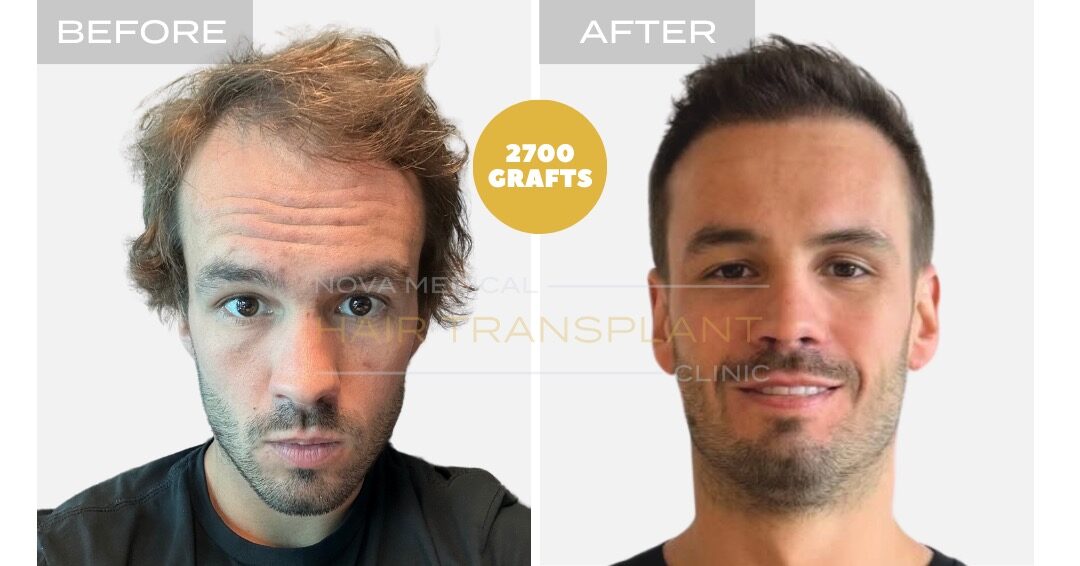
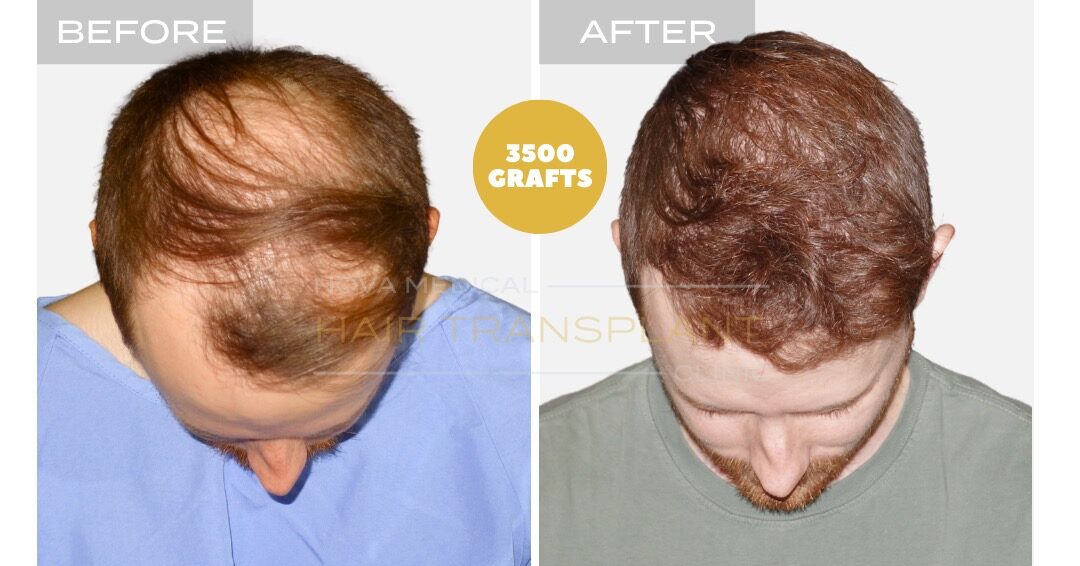
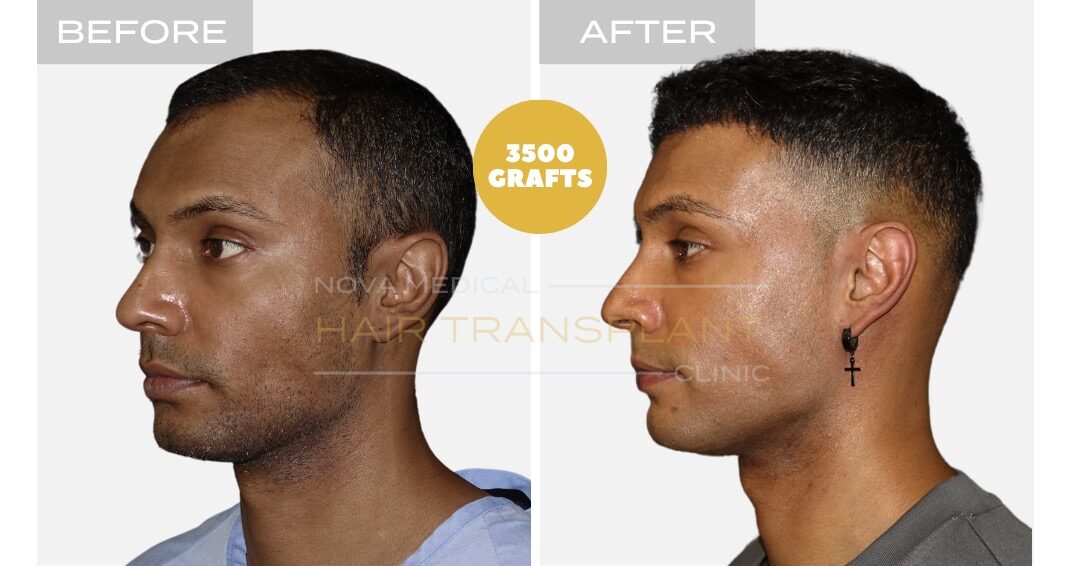
Before & After Gallery
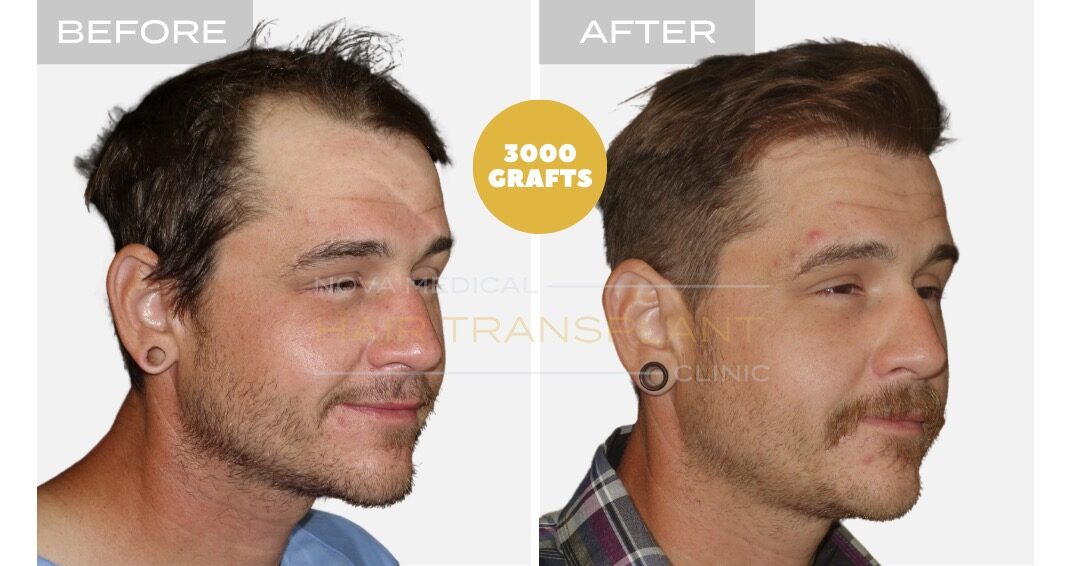
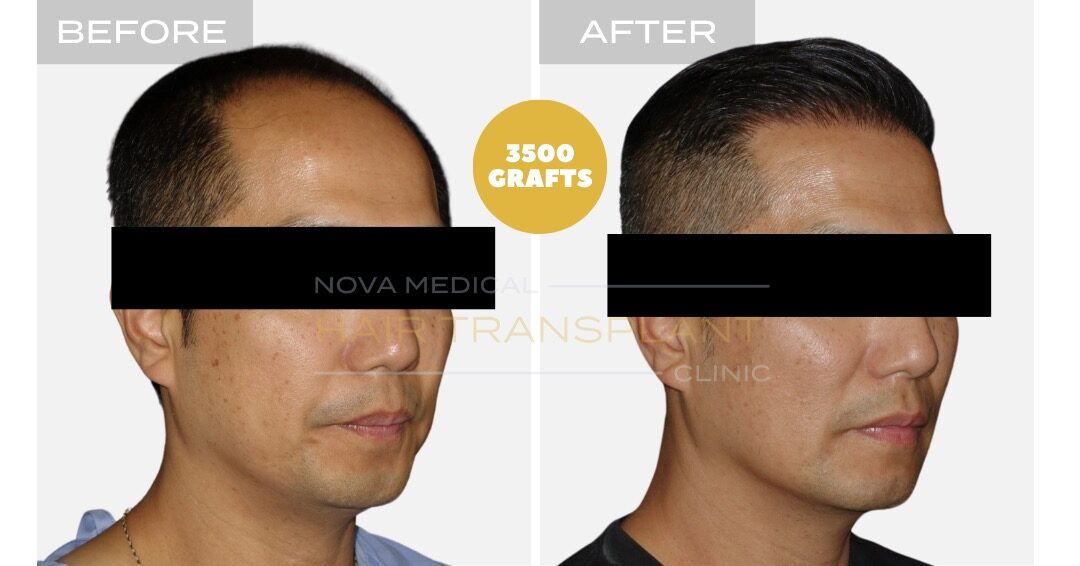
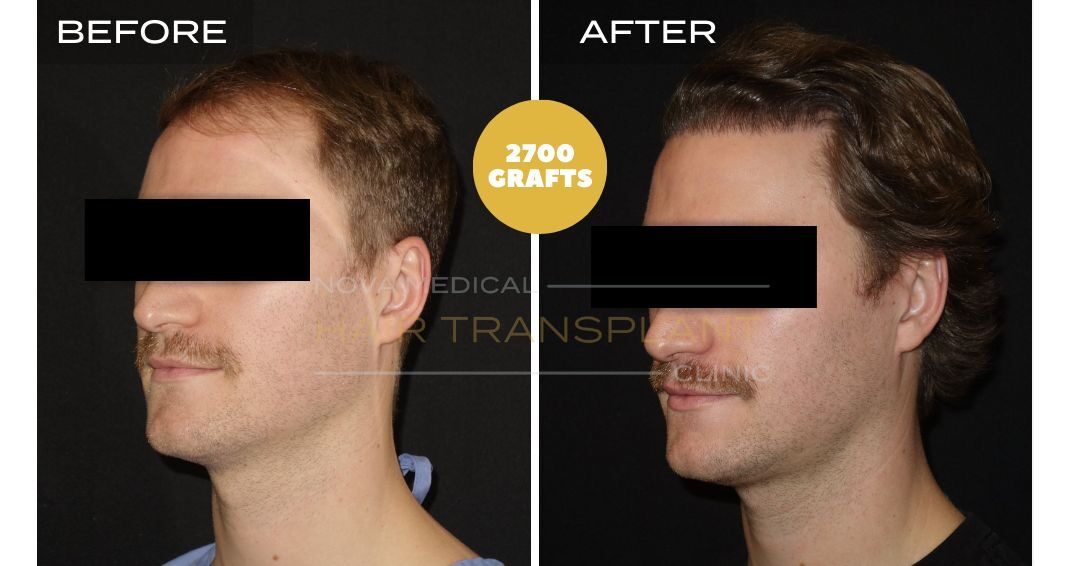
Step by Step at Our Nashville Clinic
-
1
Consultation and Design
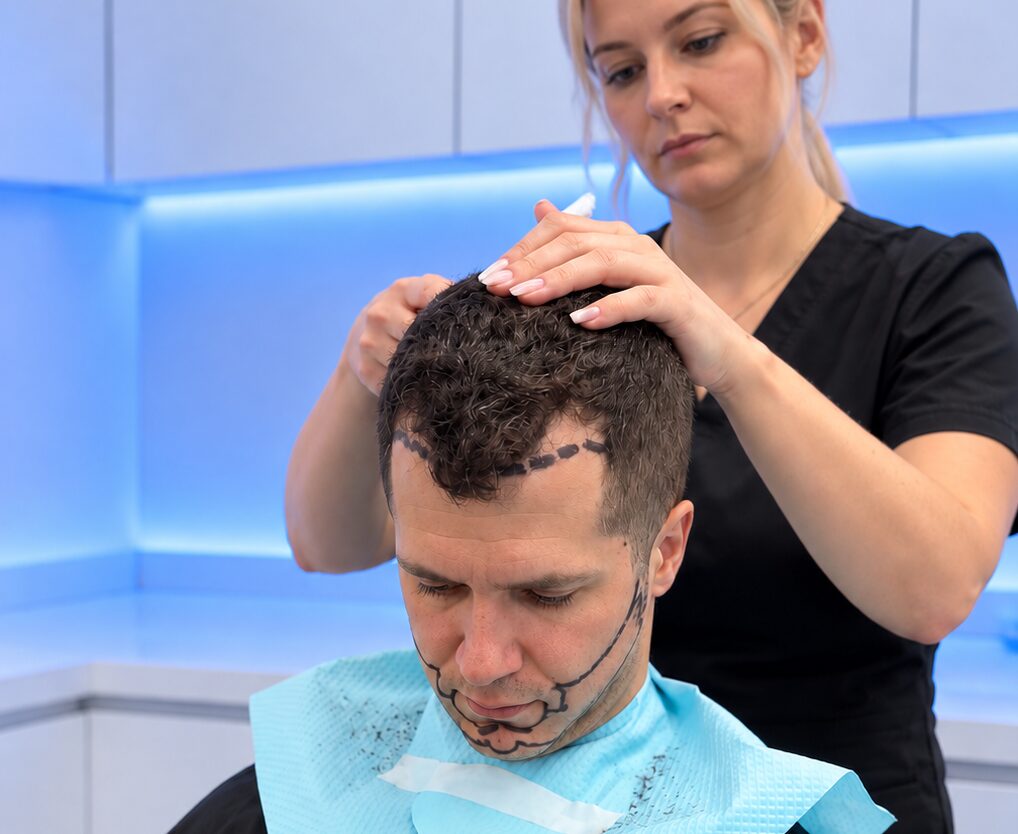
Planning starts with your facial structure, the beard style you have in mind and the quality of your donor hair. The team checks the back and sides of the scalp to judge how many grafts are available, then sketches the pattern you want to wear.
-
2
Comfort and Preparation
The donor zone is trimmed short, and both the scalp and the facial areas being treated receive local anesthetic. Nothing begins until you confirm the skin is numb and you notice only light pressure.
-
3
Harvesting Follicles
Single grafts are collected with Follicular Unit Extraction (FUE) and spread out across the donor area, so the scalp keeps an even look and no linear scar is left behind.
-
4
Placing Each Graft
Grafts are set into the cheeks, mustache, goatee, sideburns or jaw at the angle, curl and spacing of the hair around them, following a design approved by Dr. Dan Hatef.
-
5
Aftercare and Growth
You go home the same day with written aftercare. Most people resume routine activity within a few days, and the new beard fills in over the following months as the grafts begin producing hair.
Beard Transplant Tennessee Pricing
Beard work is priced per graft, from $3.99 to $7.99 each. A full face with cheek and jaw coverage lands near the upper end of that range, while a mustache, goatee or pair of sideburns calls for far fewer grafts. Our hair transplant cost page has the complete breakdown.
Most procedures fall between $4,000 and $15,000, and no session fee is added on. You are charged for the areas you decide to treat, never for a bundled package.
Financing at 0% is available for the first 12 months. The free consultation closes with a written graft estimate and price, and you can take as long as you need to decide.
Patients from across Tennessee, and some travelling from other states, meet us at our Nashville clinic, where donor supply is assessed before any number is quoted.
Worn with confidence
Your own scalp hair, placed exactly where the beard needs it.
Request a Free Consultation
No obligation • Free assessment
How Long Does the Procedure Last?
Most beard sessions run between two and six hours. Smaller jobs such as a mustache or sideburns finish sooner, and full coverage across the cheeks and jaw takes longer. It is an outpatient visit, so you head home the same day, and plenty of patients are back at work the following morning.
The donor area and face stay numb with local anesthetic throughout. The transplanted hairs usually shed within the first weeks while the follicles remain in place, and permanent regrowth tends to begin around month three or four.
You can pause to eat, stretch or rest along the way, and many patients watch a show while the team works.
Facial Areas We Restore
A graft can be placed wherever facial hair normally grows. Common requests at our Nashville clinic include:
- Sideburns that thin out before reaching the beard
- Patchy or uneven cheek coverage
- Mustache growth that is light or sparse
- Goatee and soul patch fill
- Connecting the mustache to the chin
- A sharper upper cheek line
- Jawline and neckline definition
Reasons Men Seek a Beard Transplant
Men from Nashville and across Middle Tennessee usually come to us with one or more of these four goals.
Gaps That Will Not Fill In
Hair may grow well on the chin and upper lip while the cheeks stay bare. Grafts close those gaps so the beard looks like one continuous shape.
Bare Scar Tissue
Scars left by injury, burns, surgery or acne often grow no hair at all. Grafts placed into the scar can bring back growth and soften how noticeable it is.
Genetically Light Growth
Some men never grow more than light stubble, whatever their age. A transplant supplies follicles where nature placed very few.
A Sharper Shape
Many patients already wear a reasonable beard but want more structure, like a cleaner cheek border, a denser mustache or a squarer jaw. Goals like these often need only a modest number of grafts.
Book a Beard Transplant Consultation
If you are ready to improve beard density, fill patchy areas or create a sharper facial hair pattern, schedule a private consultation with Nova Medical Hair Transplant Tennessee in Nashville.
We evaluate your donor supply, talk through your goals and build a treatment plan around the look you want. Call (629) 210-3777 or send the form to choose a time.
Book a Private Consultation
No obligation • Free assessment
Who Is a Good Candidate?
Whether a beard transplant suits you comes down to your facial features, the look you are after and how many follicles the back of your scalp can spare. Good candidates often have:
- Patchy or uneven beard growth
- Sparse sideburns
- Thin mustache growth
- Scarring or areas where hair does not grow
During planning, the donor area is examined to judge graft quality and supply, because that limit decides how much of the face can be covered. From there we build a plan around facial balance, natural growth direction and the fullness you want, and we tell you plainly what your hair type can and cannot achieve.

Natural Beard Transplant Tennessee Results
A natural beard transplant depends on restraint and precision. Facial hair sits front and center, so angle, spacing and direction show more than many patients expect.
Our approach is built around facial balance. Each graft is placed to suit your jawline, lip line, cheek pattern and the type of beard you actually want to wear.
The goal is not an artificial wall of density. It is a beard that grows in naturally, looks believable at conversational distance and can be shaped however you choose.
Once growth starts, the new facial hair can be trimmed, shaped and maintained like the rest of your beard. The follicles come from a part of the scalp that resists pattern loss, which is why the result is meant to last.
Dr. Dan Hatef reviews every beard outline drawn at our Nashville clinic, checking it against the line of the jaw and cheekbones before a single graft is placed. Learn more about Dr. Hatef and the clinic.
Medical History & Preparing for Surgery
-
1
Health Review
Before your beard transplant in Tennessee, we review your medical history, current medications and any health conditions that could affect surgery or healing. Conditions such as asthma or high blood pressure rarely rule someone out, but the medical team needs the full picture to plan safely.
-
2
The Week Before
You will usually be asked to avoid alcohol, NSAIDs such as ibuprofen, and supplements like ginkgo biloba, vitamin E, echinacea and garlic in the week before surgery. Each of these can raise bleeding risk and make graft placement harder.
-
3
Medication Plan
If medication is prescribed before or after treatment, such as pain relief, antibiotics or an anti-swelling medicine, you will receive clear instructions on how and when to take it. Following that plan closely sets up a smoother recovery.
Healing and Growth Timeline
- Day 1
Mild swelling and redness around the treated skin are expected in the first few days and usually settle within a week.
- Days 3-5
Light activity is usually fine after a day or two, but hold off on hard exercise and heavy lifting for about a week. Keep the area clean, avoid touching or scratching the grafts, and follow the post-care instructions you were given.
- Days 7-10
The tiny scabs that form around each graft loosen and fall away on their own around this point.
- Weeks 2-4
The transplanted hairs often shed during these weeks. This is a normal phase of the growth cycle, sometimes called shock loss, and it does not mean the grafts have failed.
- ~Month 3
New beard hair usually starts to appear around three to four months, with the same texture and character as the rest of your facial hair.
- Month 6
Density improves noticeably by the six month mark.
- Months 9-12
The final result is typically visible by 12 months. From then on the hair is permanent and can be kept short, grown long or styled any way you like.
What Happens on Procedure Day
On procedure day, we review your beard design, answer any final questions and make sure you are comfortable before we begin.
Local anesthesia is used for the donor area and the face, so the procedure is generally very manageable. Once grafts are harvested, they are sorted and prepared while the beard pattern is mapped for implantation.
Each graft is then placed to match natural beard growth, including direction, curl, spacing and density. This stage takes patience, especially through the cheeks, mustache, goatee and sideburns, and it is what decides whether the result looks natural. You can relax, take breaks and eat during the session.
Our Nashville clinic sends you home the same day with written aftercare. Some soreness in the donor and recipient areas is normal and usually short-lived. Call or text (629) 210-3777 if anything concerns you.